How Barometric Pressure Affects Fishing in Port Phillip Bay & Western Port
🎣 Reedy’s Rigs • Melbourne • Port Phillip Bay & Western Port
Barometric Pressure Fishing: How the Barometer Triggers Bite Windows
If you’ve ever had a red-hot snapper bite just before a weather change, you’ve already seen barometric pressure at work. This guide explains how barometric pressure works, how it affects a fish’s swim bladder, and how to use the Reedy’s Rigs Live Fishing Barometer to plan smarter sessions in Port Phillip Bay and Western Port.
What Is Barometric Pressure?
Barometric pressure (air pressure) is the weight of the atmosphere pressing down on the ocean. In Australia we measure it in hectopascals (hPa).
When weather systems move across Victoria, the barometer rises and falls. That shift often lines up with wind changes, cloud cover, current changes and bait movement — the exact ingredients that can create bite windows.
The pressure change from weather is small compared to depth, but fish still detect it — and more importantly, they react to the weather change that comes with it.
How Barometric Pressure Affects a Fish’s Swim Bladder
Most species you chase in Port Phillip Bay and Western Port — snapper, King George whiting and plenty of bycatch — have a swim bladder. Think of it like a small internal gas balloon that helps the fish control buoyancy.
- Pressure drops → the gas expands slightly → the fish can feel slightly “lighter” and has to adjust.
- Pressure rises → the gas compresses slightly → the fish can feel slightly “heavier” and has to adjust.
Fish are built to notice subtle changes. And when pressure shifts quickly, it’s often a sign that the whole environment is shifting too. That’s why the barometer is useful — it’s a simple signal that often matches the timing of bite windows.
Falling Barometer: Why It Often Triggers a Bite
A falling barometer usually means a front is approaching. In simple fishing terms: the weather is about to change. Many anglers see great fishing when the barometer is falling steadily ahead of that front.
- Fish often feed harder before conditions get rough (pre-front bite window).
- Bait gets pushed around and becomes easier for predators to pin.
- If the pressure drop lines up with a tide change, it can go from “quiet” to “on” fast.
It’s not a magic number — it’s the trend and the timing. In Melbourne, falling pressure plus tidal movement is a classic bite-window recipe.
Rising Barometer: The “First Good Weather” Bite
This is what most locals notice again and again: the best fishing often happens when the bad weather starts to slow down and the first part of good weather arrives.
That window often happens when pressure is rising and stabilising after a front. The system still has “energy” (stirred edges, bait movement, current), but you can finally fish properly. It’s one of the most reliable bite windows for snapper — and it also suits whiting when conditions settle and food gets moving.
Numbers matter, but the trend matters more. If you want the quick local read, here it is:
Usually full storm/chaos. Yes, there can be a bite before it hits, but when it’s properly low and filthy it’s often inconsistent and hard to fish.
Classic post-front settling window. Conditions become fishable, fish settle into patterns, and tide + low light can produce proper bites.
Steady drops ahead of a front often create short, strong bite windows — especially around tide changes.
When bad weather starts easing and pressure stabilises, fish can stay active while you can finally fish the spot properly.
If you’re searching “Melbourne fishing forecast”, this is the missing piece: a tool built for Victorian anglers that puts the key signals together — live barometric pressure, the 7-day trend, tides and wind — so you can spot bite windows instead of guessing.
Quick win: check the trend first (falling / stable / rising), then match it with tide movement and low light.
How to Use the Live Fishing Barometer (Quick & Practical)
Don’t stare at one number. Look at the direction: falling steadily, stabilising, or rising after a front. Those trends often line up with bite windows.
Pressure alone doesn’t create fish. Tide movement moves bait and positions fish. If the trend looks good, aim your session at stronger movement rather than slack water.
Sunrise, sunset, and the hour after dark often stack the odds in your favour. Under stable high pressure, low light can be the difference between “quiet” and “bite”.
Wind doesn’t always decide the bite, but it decides how you fish the spot. Use it to choose your drift line or anchor position so your baits sit where they should.
Port Phillip Bay vs Western Port: What Changes?
Both bays respond to barometric pressure trends, but they don’t behave the same.
Western Port
- Tide-driven: flow is a massive part of the bite.
- Pressure trends matter most when they line up with stronger movement.
- Post-front easing (often rising pressure) can be deadly because you still get energy + bait movement, but you can finally fish it.
Port Phillip Bay
- Pressure trends can help time reef-edge and low-light bite windows.
- Stable high pressure can fish well if you hit the right tide phase and keep it natural.
- Use the tool to plan the “when”, then use your ground/structure to choose the “where”.
Related Reedy’s Rigs Guides (Worth Reading)
These pages pair perfectly with barometric pressure planning — read these next if you want the full edge.
How whiting feed, what makes them bite, and how to time sessions when conditions line up.
Best Snapper Rig for Port Phillip Bay (Updated)Rig choices that match the conditions — especially when you’re fishing the pressure + tide bite window.
Winter Fishing Competition (Victoria)Winter sessions live and die by planning. Use pressure trends + tides to pick your best windows.
Live Fishing Barometer ToolPressure trend + tides + wind, in one place for Port Phillip Bay and Western Port.
FAQ: Barometric Pressure & Fishing
What is the best barometric pressure for fishing?
The trend is usually more important than the number. Many anglers see great fishing during steady pressure drops ahead of a front, and also during the first part of rising pressure as conditions settle. Very low pressure around 999 hPa often means storm chaos, while 1030 rising to 1032 can be elite when tides and timing line up.
How does barometric pressure affect a fish’s swim bladder?
The swim bladder is a gas-filled organ that controls buoyancy. When pressure falls the gas expands slightly; when pressure rises it compresses slightly. Fish sense that change and often adjust behaviour — especially when pressure change arrives with wind/current shifts and bait movement.
Is falling pressure always better than high pressure?
No. Falling pressure can create strong pre-front bite windows, but stable high pressure can fish well too — especially with tide movement and low light. High pressure is not automatically bad; dead water and unstable messy conditions are what usually slow things down.
Why do fish bite when bad weather starts easing?
The easing period often combines lingering energy in the system (stirred edges, bait movement, current) with improving fishability. Pressure is often rising and stabilising, and fish can stay active while you can finally fish the spot properly.
Does barometric pressure matter more in Western Port than Port Phillip Bay?
Western Port is heavily tide-driven, so pressure trends matter most when they line up with stronger flow. Port Phillip can respond strongly too, especially around structure and low light — but tide timing still matters.
What does the Reedy’s Rigs Live Fishing Barometer show?
It combines live barometric pressure, the 7-day pressure trend, tides and wind for Port Phillip Bay and Western Port in one place, so you can plan sessions around bite windows instead of guessing.
What’s the simplest way to use pressure for snapper fishing?
Start with the trend (falling, stabilising, or rising after a front), then fish stronger tide movement and low light. When those line up, your odds jump.
How Barometric Pressure Affects a Fish’s Swim Bladder
Understanding how barometric pressure affects fishing starts with the swim bladder. While depth changes create the largest pressure shifts, atmospheric pressure trends still influence fish behaviour — especially when combined with wind, tide and environmental movement.
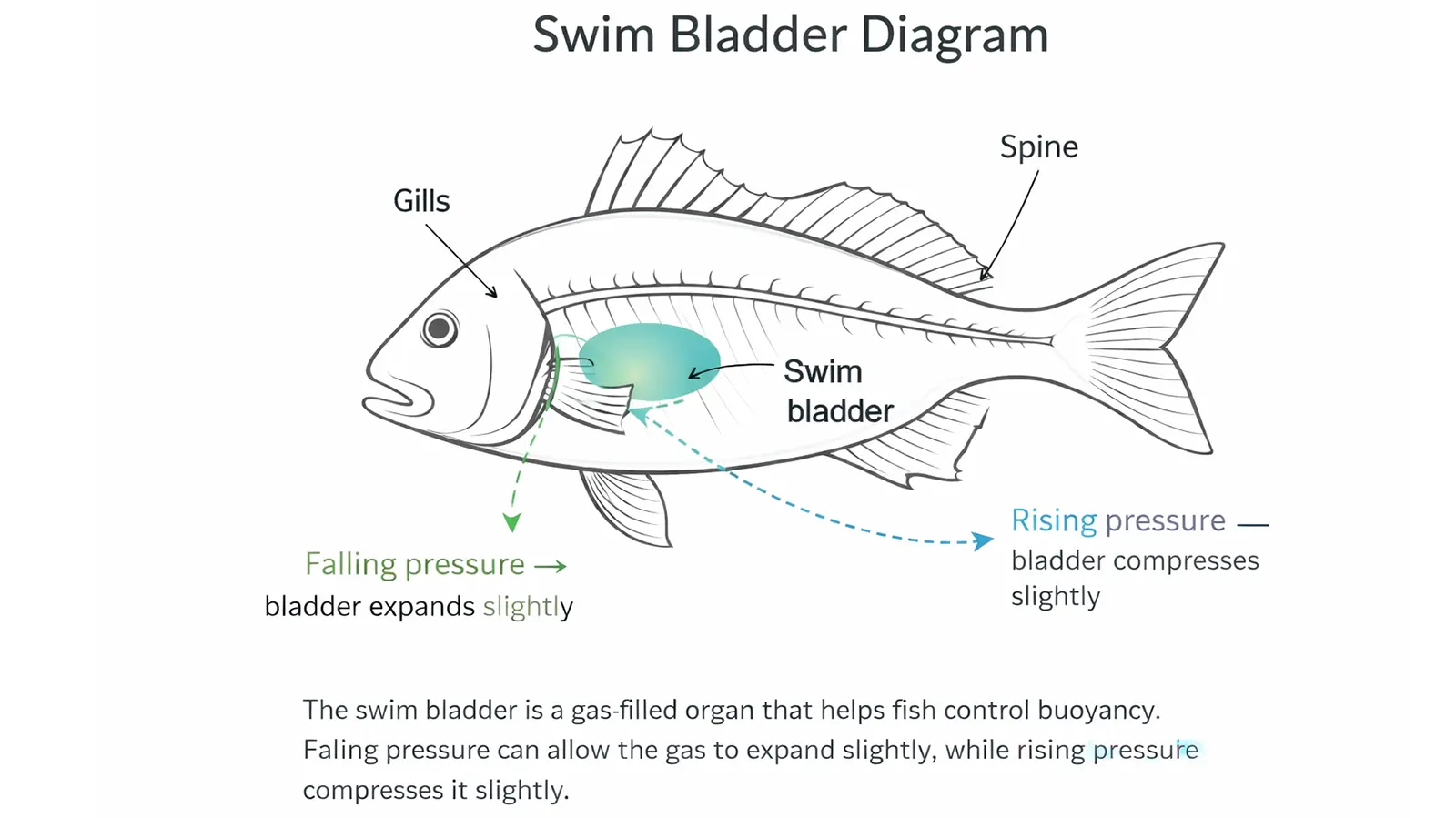
Barometric Pressure Fishing in Port Phillip Bay & Western Port
Many anglers notice improved snapper and King George whiting activity when the barometer begins to stabilise after poor weather. A rising barometer combined with tidal movement and low light often produces consistent bite windows in both Port Phillip Bay and Western Port.
Falling pressure ahead of a front can also trigger short feeding periods, particularly when wind direction, current and bait movement align. The key factor is rarely the number alone — it is the direction of change and how that shift affects the wider system.
Share your unique link and cash in—join now!
https://shorturl.fm/OTgT9
https://shorturl.fm/5GTX7
https://shorturl.fm/jhQzX
https://shorturl.fm/RJ06D