Squid Fishing Tips: Finding the Perfect Spot in a BoatTest
When it comes to fishing for squid, location is key. Squid are often found in shallow waters, ranging from 1m to 20 meters deep. These cephalopods tend to congregate around areas with weed beds and broken ground, such as rocky reefs or areas with seagrass. These environments provide excellent cover and hunting grounds for squid.
One effective technique for squid fishing is drifting. This method involves letting your boat drift with the current or wind, allowing you to cover a larger area. As you drift, cast your squid jig in the direction you’re moving. This way, your jig mimics the natural movement of prey, making it more enticing for the squid.
By following these steps and observing the techniques demonstrated in the video, you can increase your chances of a successful squid fishing trip from a boat.
The main goal when fishing for squid is to get your jig to the bottom, where the squid are most likely to be. Use a jig that’s appropriately weighted for the depth and current conditions. Once your jig is near the bottom, retrieve it with a series of jerks and pauses. This erratic movement imitates an injured or fleeing prey, triggering the squid’s predatory instincts.
Remember, squid are visual hunters, so using a jig with bright colors or reflective surfaces can increase your chances of success. And always keep an eye on the water clarity and light conditions, as these can affect squid behavior and your choice of jig color.
By focusing on shallow waters with the right habitat, using the drifting technique, and ensuring your jig reaches the bottom, you’ll increase your chances of a successful squid fishing trip. Happy fishing!
Effective Techniques for Boat-Based Squid Jigging
Casting a squid jig from a boat involves a few key steps to ensure a successful catch. Here’s a guide on how to do it:
- Positioning: Start by casting your squid jig in the direction you are drifting. This will allow you to cover more area and increase your chances of encountering squid.
- Sleeper Rods: In addition to actively working your jig, you can also set up sleeper rods. These are rods with squid jigs tied on and left to drift behind the boat. This passive approach can yield results while you focus on actively jigging with another rod.
- Working the Jig: The ultimate goal is to present the jig near the bottom of the water column. To do this, cast out your jig and let it sink towards the bottom. Once it’s near the bottom, start working it back to the boat with a wind-and-pause technique. This involves winding the reel to lift the jig and then pausing to let it fall. It’s during this falling action that squid often strike.
- Setting the Hook: Each time you lift the rod before winding, give it a light lift. This is usually enough to set the hooks on the jig if a squid has taken it.
- Reeling In: When you hook a squid, reel it in slowly and maintain constant tension on the line. Avoid giving it slack, as this could allow the squid to detach from the jig. In the video, you can see my kids gently winding the squid back to the boat.
- Handling Large Squid: If you hook a large squid, it’s advisable to set your drag lighter. This allows the squid to take a few runs without breaking the line or tearing the hooks out.
By following these steps and observing the techniques demonstrated in the video, you can increase your chances of a successful squid fishing trip from a boat.
Discovering Prime Squid Fishing Grounds: Tips and Techniques
Finding the perfect spot for squid fishing can sometimes be as simple as using your eyes to scan the water. However, for a more precise approach, employing your fish finder’s side scan or side imaging capabilities can be incredibly effective. This technology allows you to easily identify potential squid habitats and plan your drift accordingly.
Additionally, utilizing your GPS to mark the start and end points of your drift is crucial. Keeping your trail feature activated is key, as it enables you to see where you’ve drifted and make necessary adjustments for your next pass. When you encounter a particularly fruitful area, known as a “hot patch,” make sure to hit the GPS mark. This helps you pinpoint where the squid are congregating, allowing you to refine your technique and become more efficient in your squid fishing endeavors.
Squid Fishing Insights: The Power of Small Jigs and Color Selection
In my experience, smaller squid jigs, particularly those around size 2.5, are the most effective. Their slow fall rate is a key factor in enticing squid to strike. I typically opt for larger jigs only when I’m having trouble reaching the bottom.
In the video Above, you’ll see our approach to squid fishing. By observing our techniques towards the end of the video, you can gain valuable insights into how we successfully attract and catch squid. We managed to catch over 60 squid in just two sessions!
When it comes to choosing the color of your squid jig, simplicity is key. I follow a basic rule: for a blue sky, I use a white jig; for a dark sky, I prefer a red jig. If the water is clear and green, a green jig seems to work best.
Below, you’ll find some images of my favorite squid jigs. Take a look and see if any of them might be a good fit for your own squid fishing adventures.

The Best Combo for Squid Fishing
What Size Jig Should I Use
Squid jigs come in various sizes, and choosing the right size can significantly impact your fishing success. The size of a squid jig is typically measured in grams or inches, and it refers to the weight or length of the jig. Here’s a breakdown of the different sizes and how they work:
Small Jigs (1.5-2.5 inches or 2-3.5 grams): These jigs are suitable for targeting fishing in shallow waters. They are lightweight and designed to mimic small prey, making them ideal for areas with smaller baitfish.
Medium Jigs (2.5-3.5 inches or 3.5-7 grams): Medium-sized jigs are versatile and can be used in a variety of conditions. They are effective for both shallow and moderately deep waters. These jigs are suitable for targeting average-sized squid and are a good all-around choice for most fishing situations.
Large Jigs (3.5 inches and up or 7 grams and up): Large jigs are designed for targeting larger squid or fishing in deeper waters. Their heavier weight allows them to sink faster and reach greater depths. These jigs are ideal for fishing off piers, in deeper bays, or in offshore areas.
The choice of jig size depends on several factors, including the size of the squid you are targeting, the depth of the water, and the current conditions. In general:
Lighter, smaller jigs are better for calm, shallow waters and smaller squid.
Heavier, larger jigs are more suitable for deeper waters, stronger currents, and larger squid.
Small jigs can still be effective for catching larger squid, and your primary goal is to successfully bring them to the boat. It’s often a good strategy to start with the smallest jigs first and then adjust based on the conditions and the squid’s response.
It’s important to match the size of the jig to the prevailing conditions and the type of squid you are targeting. By selecting the appropriate size, you can improve your chances of attracting squid and achieving a successful catch.
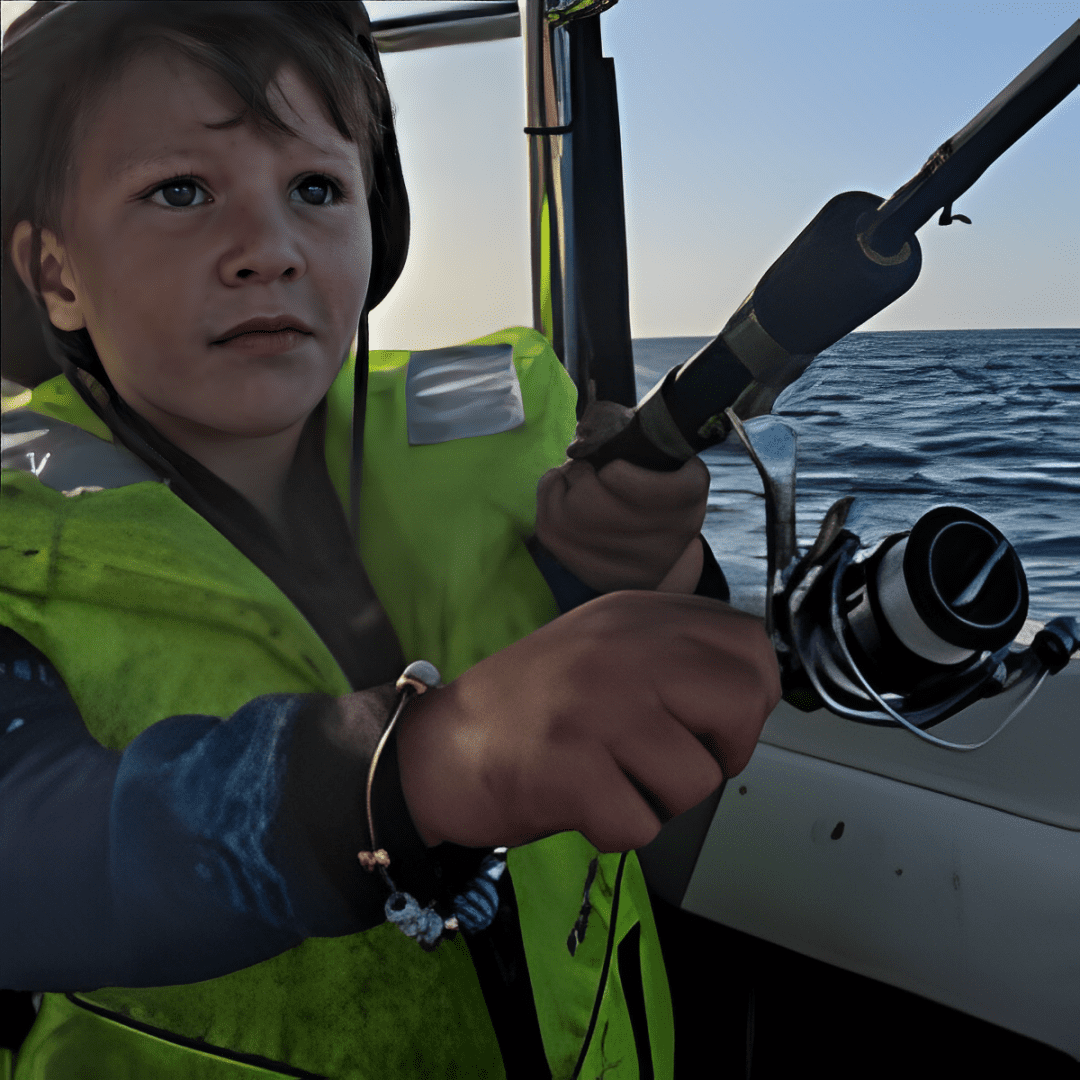
The Best Combo for Squid Fishing
When it comes to squid fishing, choosing the right rod and reel combo is crucial for a successful outing. I’ve found that the best setup is a light rod paired with a 2500 size reel. This combination provides a balanced feel that is essential for effectively handling squid jigs.
For line selection, 6-8lb braid is my go-to choice. However, if you prefer monofilament, 8lb monofilament works well too. When fishing in shallow waters ranging from 2-5 meters deep, using monofilament allows you to skip the leader and tie the jig directly to the line, which can be quite convenient.
In areas with strong currents, where getting your jig to the bottom is a priority, braid has a clear advantage over monofilament. Its thinner diameter helps your jig reach the desired depth more quickly and easily. In deeper waters, I typically use braid with a 2-meter-long, 8lb leader to ensure the best presentation and performance.
Overall, the key to a great squid fishing combo is balance, appropriate line choice, and adaptability to different fishing conditions.
Optimal Timing for Successful Squid Fishing
The best times to go squid fishing are during the last few hours of either tide, as this can be very productive. If you can coincide this with low light periods, such as dawn or dusk, it can be even more effective. Squid are generally active feeders since their lifespan is only about a year, so they are constantly feeding. Spring and autumn are particularly good seasons for catching larger squid, as they enter bays and estuaries to spawn during these times.
If you like what you see, don’t forget to check out Reedys Rigs on YouTube and hit that subscribe button for more content. It’s completely free, and we really appreciate your support. Stay awesome, and have a fantastic day
