
🎣 How to Catch King George Whiting – The Ultimate Guide
King George Whiting (KGW) is Australia’s largest whiting species and a true southern classic. Known for their fight and flavor, these bottom-feeding fish are found along sand patches, shallow reefs, and weed beds. In this guide, we cover everything from habitat to bait, gear setup, and rigs to help you catch more whiting on your next trip.
📺 Video: A Few Tips for Catching Whiting
Check out the Reedy’s Rigs Tinganoster Rig — featuring two glowing hooks designed for better visibility during night sessions.
🌏 Where to Find King George Whiting
KGW thrive in sandy and rubbly environments near shallow reefs and weed beds. In summer, they prefer sand flats; in winter, they gravitate toward deeper reef zones.
- Rubbly bottom channels
- Heavy sand patches
- Weedy edges near sand holes
- Shallow bays and inlets
They’re edge feeders, so look for structure: drains, weed beds, reef edges, and sand holes are gold. Land-based anglers should target piers, jetties, rock walls, and shallow reef drop-offs.
🧠 Understanding Their Lifecycle
Young KGW grow in bays and estuaries before migrating offshore to deeper waters once mature. Offshore fish tend to be larger, while the inshore schools offer more consistent numbers.

🎯 Top Tips for Locating Whiting
Want to chase them from land? Find jetties and weed-lined beaches. Fishing from a boat? Target 3m–7m depths with moving current. Offshore whiting often gather near mud banks and broken bottom.
🔧 Setting Up Your Whiting Rig
Rigging right is key. King George Whiting love pipis, but cocktail baits with squid or flesh work best. Reefs call for tougher baits like silver trevally, pilchards, or slimy mackerel—anything oily and bloody helps draw them in.
Try long-shank hooks on a Tinganoster rig to avoid gut-hooking smaller fish.
🎣 Rod & Reel Setup
You don’t need heavy gear. Go light, go sensitive:
- Rod: 6–8ft graphite rod with soft tip
- Reel: 1000–2500 size spin reel
- Mainline: 6–15lb braid
- Leader: 8–25lb mono leader depending on terrain
Tip: Whiting bites are subtle. A sensitive rod will help you detect their gentle taps before they steal your bait.
🧲 Best Baits for King George Whiting
Whiting aren’t fussy, but some baits consistently produce more fish:
- Fresh squid (cut into thin strips)
- Bloodworms and sandworms
- Pipis and cockles
- Bass yabbies and prawns
- Whitebait
Squid holds best on hooks and survives multiple pickers. Use it on Reedy’s Rigs Tinganoster — designed to glow 10x brighter for deep or dirty water.
🎨 Available Tinganoster Rigs
- Bloodworm (Red/White UV Fly)
- Live Prawn (Pink/White UV Fly)
- Cockle/Pipi (Orange/White UV Fly)
- Bass Yabby (Yellow/White UV Fly)
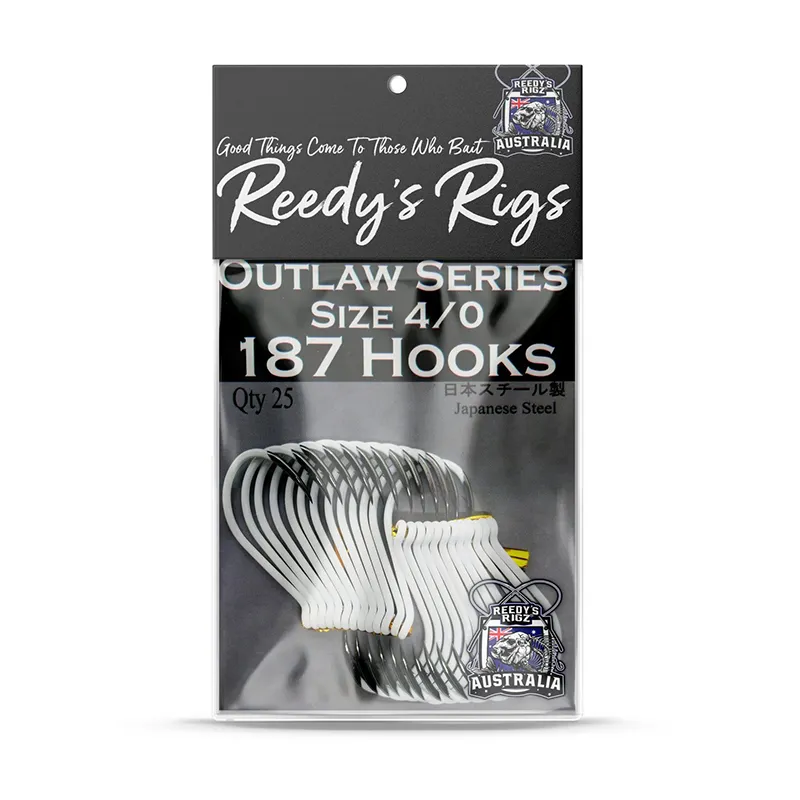
If you prefer to tie your own, these hooks are excellent for DIY rigs too.
⭐ Featured Tackle
- Tinganoster Whiting Rig – Pre-tied, glows bright, catches fish fast
- 187 Fishing Hooks – Reliable and strong for whiting and more
- Reedy’s Leader Mono – Perfect abrasion resistance in reefy zones
⏱️ Handy Extras
Burley helps—but use it carefully. It brings in KGW but also attracts scavengers. Play with your bait in the water and keep checking your line, especially when pinkies or toadies are around.
Before heading out, scan local reports to find the hot spots. Experiment with techniques: slow retrieves, light sinkers, and changing baits can make all the difference.

🚤 Getting Out on the Water
King George Whiting can be caught all around southern Australia, so don’t limit yourself to one spot. A good combo of location, bait, and light gear is all it takes.
If you’ve got the Reedy’s Rigs Tinganoster, you’re already ahead. It’s like fishing on autopilot, built from years of testing in Western Port and Port Phillip Bay.
Grab your rig here and hit the water.